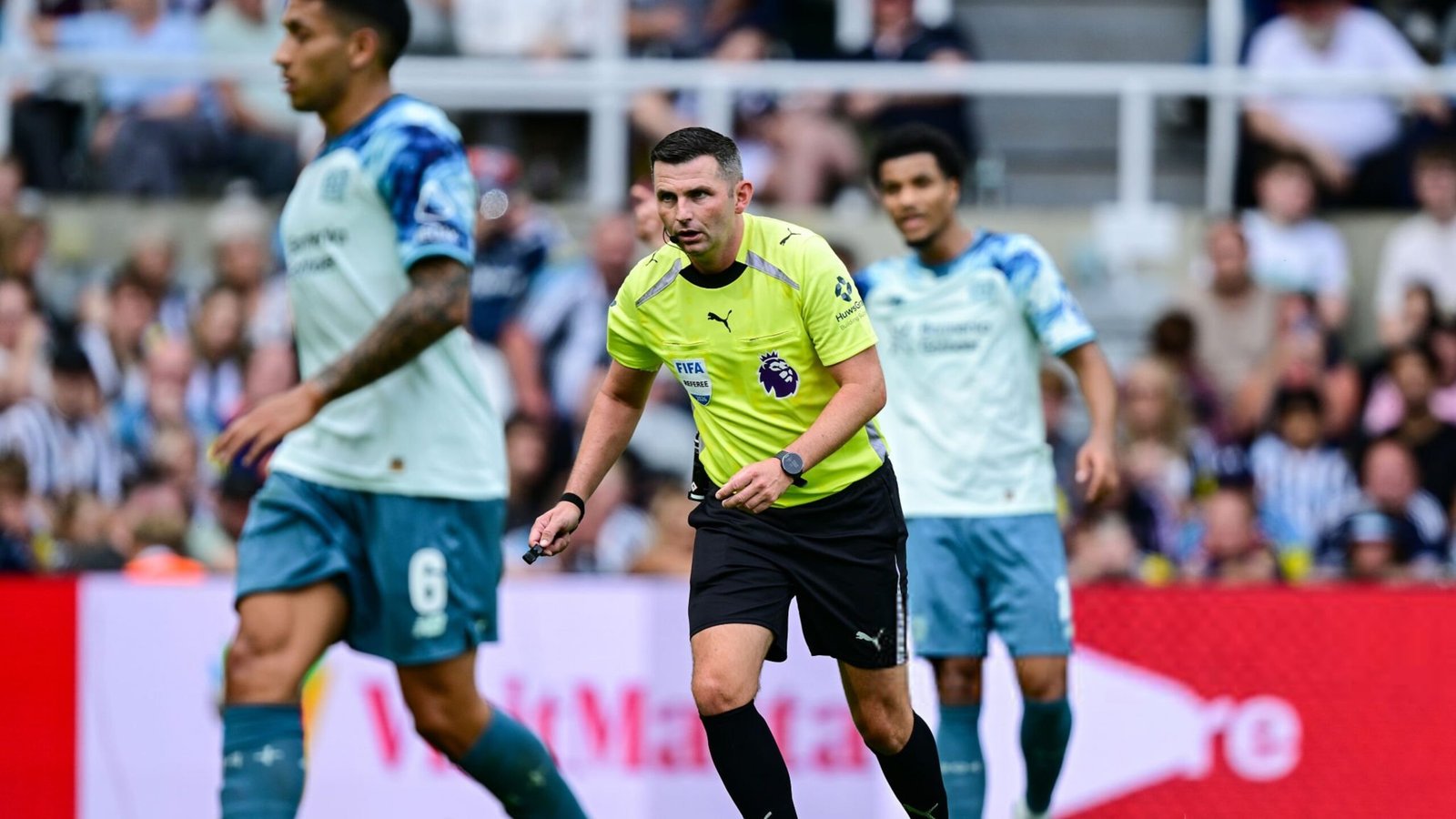
English football will introduce a number of important rule changes from the 2026/27 season, mainly aimed at reducing time-wasting and speeding up restarts, while imposing stricter controls on actions that unnecessarily delay matches.
The new amendments include many of the rules introduced at the 2026 World Cup, along with additional measures intended to increase the tempo of matches.
Five seconds to restart play
One of the most notable changes allows referees to use a visible five-second countdown in certain restart situations if they believe a player is deliberately delaying a goal kick or throw-in. Excessive delay when taking a throw-in could also result in possession being awarded to the opposition.
A new punishment for goalkeepers
Goalkeepers will not be exempt from the new anti-time-wasting measures. If a goalkeeper deliberately takes too long over a goal kick, the opposing team could be awarded a corner rather than having to wait for the restart.
No towels for drying the ball
The changes also prohibit players from using towels to dry the ball before throw-ins, another attempt to remove methods that can be used to slow down restarts.
Substitutions: only 10 seconds to leave the pitch
A substituted player will be expected to leave the field within 10 seconds and through the nearest possible point. If the player takes longer, the replacement may have to wait one minute before entering, leaving the team temporarily with 10 players.
Players who stop play because of injury
In another measure designed to prevent injuries from being used to disrupt the rhythm of a match, a player whose injury causes play to be stopped may have to leave the field for one minute, with exceptions for certain serious injuries.
Special measures for goalkeeper injuries
The rules also include a specific procedure for goalkeepers. If a goalkeeper asks for treatment for an injury that does not fall under one of the exempt categories, one of his teammates may also have to leave the pitch for one minute.
The aim is to reduce the use of treatment requests as a tactical method of gaining an extra stoppage or breaking the opponent's momentum.
Handball after a goal kick
Another potentially controversial change concerns certain handball situations following goal kicks.
Once the ball has been kicked from the goal kick, the restart is considered to have been taken. If a defender then handles the ball inside the penalty area, a penalty could therefore be awarded against the defending team.
Expanded VAR intervention
The changes also widen the range of incidents that can be reviewed by VAR. Under the stated amendments, a second yellow card could be reviewed when it results in a sending-off, as could certain attacking offences committed before set pieces if the offence directly leads to a goal, penalty or disciplinary sanction.
A faster season or more refereeing controversy?
Overall, the changes reflect a clear move toward reducing wasted time and increasing the amount of actual football played, while placing greater responsibility on players, goalkeepers and referees to keep restarts moving quickly.
If the rules are applied as described, matches should have a faster rhythm, particularly in situations that previously involved repeated delays around goal kicks, throw-ins, substitutions and injury treatment.
The remaining question is whether these changes will genuinely reduce time-wasting or simply create new areas of controversy between players and officials.