The new Cameroonian wall: how Carlos Baleba could rebuild Manchester United’s midfield
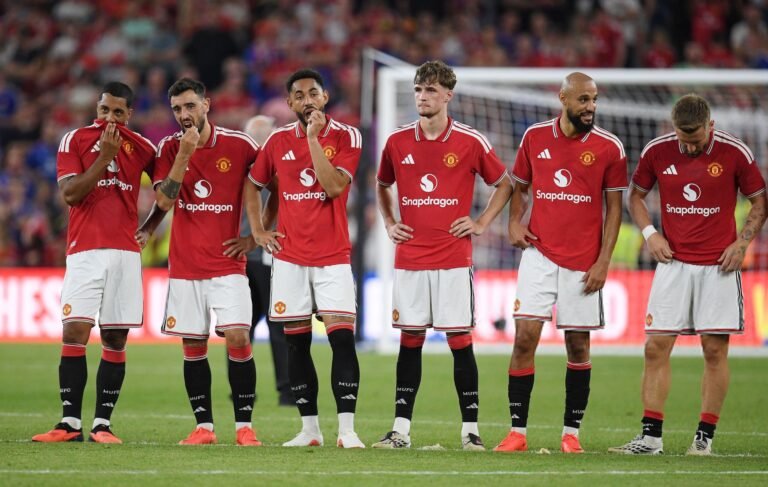
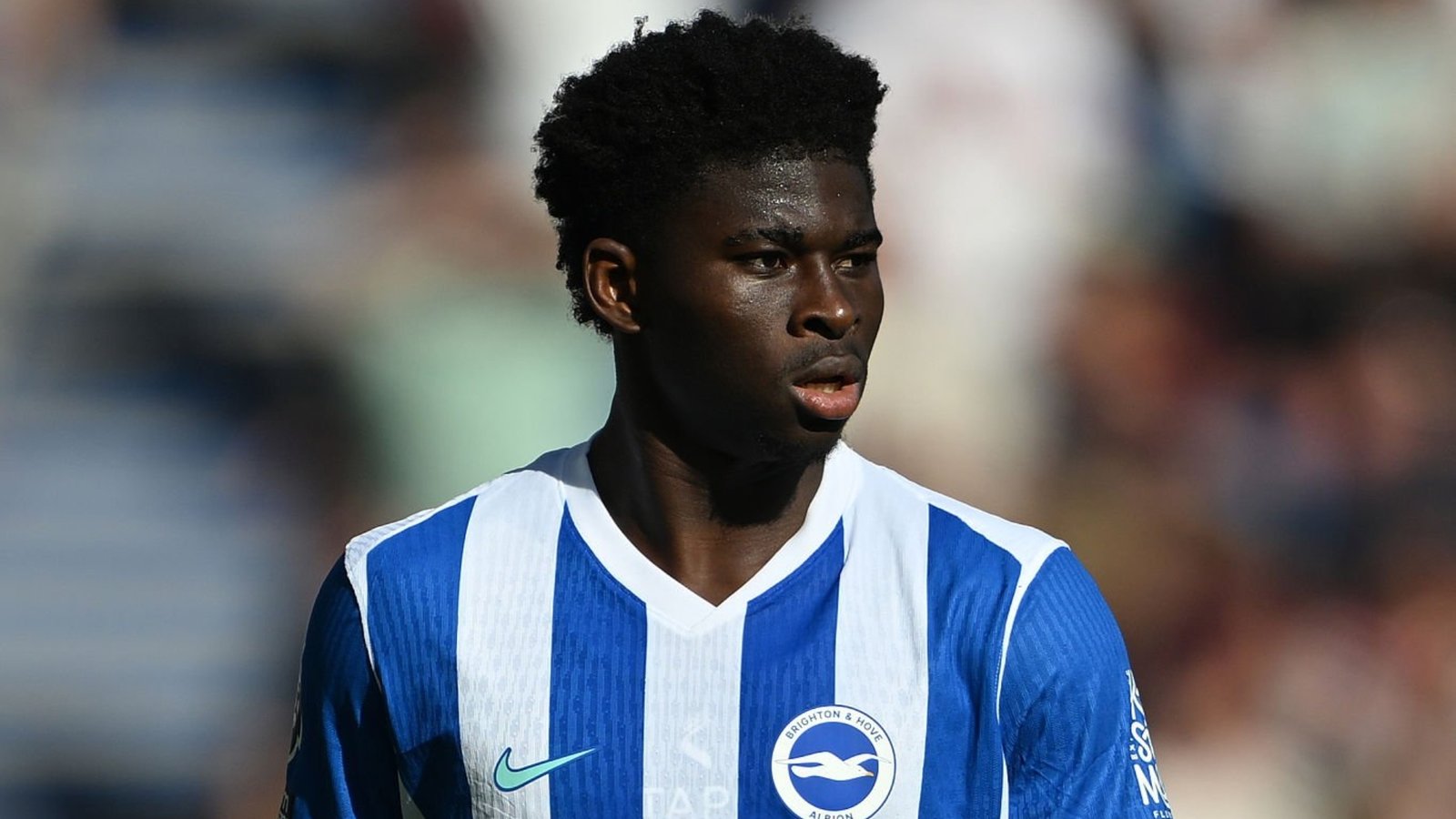
Manchester United, guided by Michael Carrick’s tactical priorities, continue to reshape the midfield. The latest major target is Brighton’s young Cameroon international Carlos Baleba.
The move is presented as a response to several problems at once: the need for defensive power, athleticism and a midfielder capable of protecting an aggressive team structure.
Why did United move quickly for Baleba?
- Defensive vacancy: Casemiro’s departure and Manuel Ugarte’s injury left a major physical and leadership gap.
- A priority after other deals failed: United returned to a long-standing Baleba interest after missing out on targets including Mateus Fernandes and Elliot Anderson, while an Ederson deal reportedly collapsed because of medical concerns.
- The third midfield piece: Baleba would join a rebuild that already includes Youri Tielemans and Andrey Santos.
What does Baleba offer tactically?
Since joining Brighton from Lille in 2023, Baleba has built substantial Premier League experience under different coaches. His game addresses three major needs.
1. Transition defence
A high defensive line leaves United vulnerable to counter-attacks. Baleba’s awareness, athleticism and ability to cover large spaces can protect the structure. The article highlights 79 completed tackles, 47 blocks and 39 strong aerial duels from the previous season.
2. Press resistance and vertical carrying
Baleba is not only a ball-winner. He can receive under pressure, turn quickly and carry the ball forward through pressure lines without overcomplicating possession.
3. Counter-pressing and early recoveries
Carrick wants United to regain the ball quickly and high up the pitch. Baleba is credited with 20 recoveries in the final third during the run highlighted in the article, potentially reducing the defensive load on Kobbie Mainoo and Tielemans and allowing Bruno Fernandes to focus more on creativity.
Why Baleba specifically?
United’s interest was not a last-minute reaction. The club had tracked him for more than a year and explored the possibility earlier. Brighton were unwilling to sell during the season, but the article argues that a market value that had once exceeded £100 million fell toward roughly £65 million after a more difficult year, creating a more attractive opportunity.
In tactical terms, the attraction is clear: a young Premier League-tested midfielder who can defend space, survive pressure, carry the ball and support the press — exactly the profile United’s new midfield structure needs.