Is your decision based on conviction — or fear for your rank?
We have all been there. It is Friday night, only a few hours remain before the Fantasy Premier League deadline, and your squad looks settled. Then you open social media and suddenly “everyone” is talking about one player who scored twice last Gameweek and whose ownership is exploding.
Your heart rate rises. You start thinking: “If he explodes again and I do not own him, my rank is finished and everyone will pass me.” So you take a -4 to buy him. Then he gets booked, comes off around the hour mark, and the player you sold scores a hat-trick.
So what is actually happening in our heads, and how can we protect our rank from decisions made in panic?
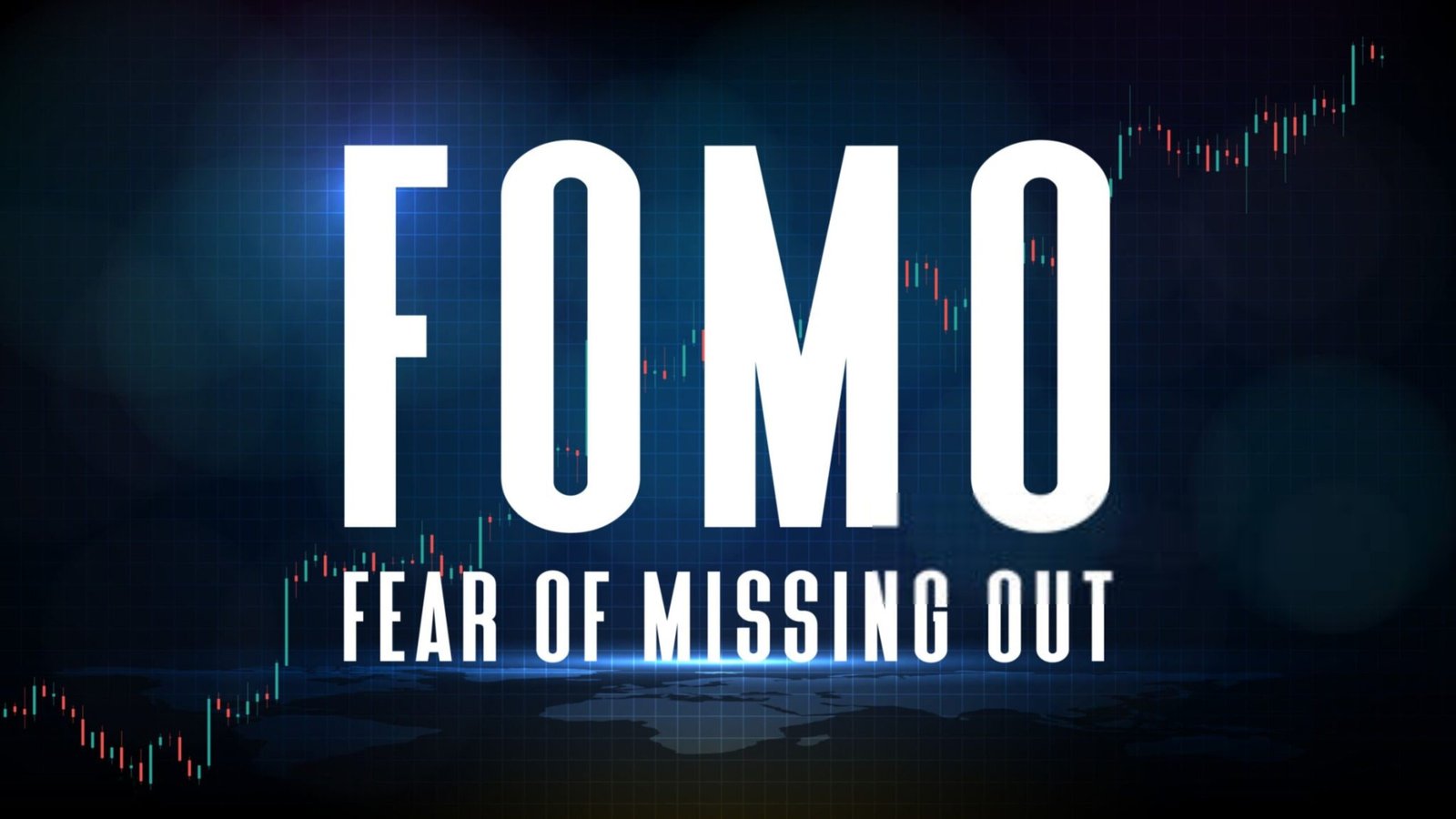
What does FOMO mean in fantasy football?
FOMO means Fear Of Missing Out.
Literally, it is the fear that everyone else will enjoy an opportunity — or a player's points — while you are left watching with regret.
In fantasy football, FOMO drives a huge percentage of rushed decisions made under deadline pressure. The fear is not necessarily that you distrust your squad; it is the feeling that the train is about to leave without you.
The ownership trap: is the player actually good, or did ownership fool you?
One of fantasy football's biggest psychological traps is ownership percentage. When you see a player owned by 50% or 60% of managers, your brain can automatically translate that into: “I have to own him to protect my rank.”
But the real question is: Is the player genuinely strong with excellent upcoming fixtures, or are you buying him only as a defensive shield against rank loss?
The golden rule: high ownership can be scary, and sometimes that fear is justified. The exception is when the player's form is poor and the fixtures are difficult. How can you tell? If you do not even enjoy watching the player but are terrified that one return will destroy your rank, that is the moment to reconsider. High ownership can become a burden for other managers rather than an advantage — and avoiding the player can become your opportunity to gain.
The opposite trap: chasing a differential just because he is different
Some managers react in the opposite direction: “I will not buy the highly owned player. I will buy someone at 2% ownership so one goal sends me flying up the rankings.”
Is that clever or footballing suicide? Buying a “differential” simply because he is low-owned, with no indicators or numbers supporting the move, can be an even bigger trap than FOMO.
A smart differential plays for a good team and has strong expected numbers such as xG and xA, perhaps after being unlucky or returning from injury before the wider game notices. Buying someone only because ownership is low and he recently scored or returned a couple of times is often just wasting transfers.
How do you know whether a move comes from conviction or fear?
Before pressing “Confirm Transfer” on a trending player, take one minute and ask yourself three questions:
- If this player were only 5% owned, would I still want to buy him?
- If the answer is “Yes, his numbers and fixtures are excellent,” then the move is based on conviction.
- If the answer is “No, I would never consider him,” then you are probably buying him because of ownership fear. Step away from the transfer button.
- Is this player worth a points hit or a free transfer I may need later?
- FOMO makes us sacrifice three or four Gameweeks of planning just to chase one week. Think about the quality of your squad over the longer term.
- Am I selling someone my rivals may regret selling?
- FOMO can push you to remove an excellent player after one or two unlucky Gameweeks just to chase the latest trend. Remember: form is temporary, and fixtures always turn.
When to say “yes”
- The player's form is consistent, he is taking plenty of shots and his team is clearly attacking well.
- His price fits your squad without forcing you to sell another major asset.
- When you watch him, his involvement genuinely makes you expect returns.
When to say “no”
- His hype comes from one lucky goal off his only shot in the previous Gameweek.
- The move forces a -4, damages your squad structure or requires selling an important captaincy option.
- Most of the recent goals are low-quality deflections or simple tap-ins while his overall threat on the ball remains limited.
The fun of fantasy is in the calculation
Fantasy football is enjoyable because it is built on prediction and calculated risk, not fear. If you follow the crowd only because you are scared, you lose part of the game and can end up with the same team as hundreds of thousands of other managers without actually improving your rank.
Trust your eye, trust the numbers you are seeing, and make transfers according to a clear plan rather than an emotional reaction to a post you saw on Facebook or X half an hour before the deadline.
Which player did you buy purely because of FOMO and then regret — and what is your own method for resisting deadline panic?